How Our Cyclic Nature Affects Health, Hormones, and Modern Life
Sometimes, our body whispers, "Slow down," but we’d rather reach for coffee or ignore the signals it’s giving us. Female cyclicality is sensitive —yet modern life, full of stress, contraception, irregular sleep, and the pressure to perform, often throws it off balance. How does our cycle influence us? And how can we support it so it once again serves as our inner compass?
We Live in a Concrete Jungle, but Our Bodies Call for Nature
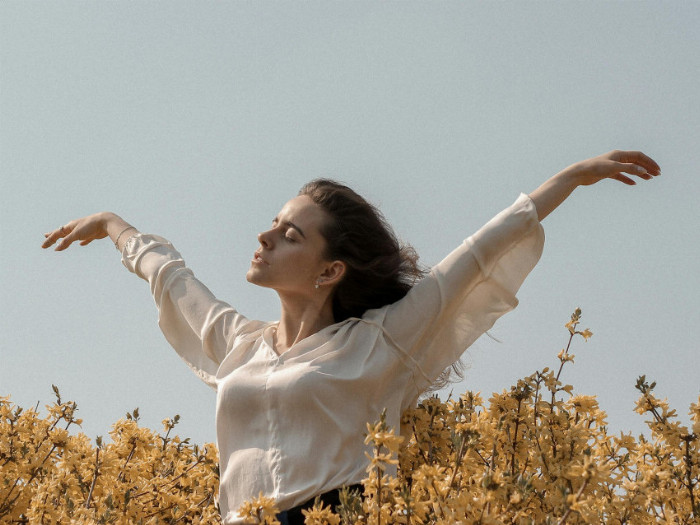
Once, we lived in harmony with the sun and the seasons. We rose with the dawn, tended the garden in autumn, and slowed down for winter. Today, however, our biorhythm is synced with artificial light, commuting between offices, cars, and stores. Instead of following nature’s cycle, we follow calendars and alarm clocks.
When you keep pushing full speed ahead despite your body saying, “Enough,” it’s like forcing nature to bloom in December. And we do this all the time. The days when we are meant to slow down, we override with coffee, sugar, or sheer willpower. But our cyclic nature doesn’t disappear—it just buries itself deep in our body as frustration and exhaustion.
Women's Bodies in a Man’s World
In a world driven by performance, women often try to adapt. “You need to be consistent,” says the boss. “You just have to handle it,” says society. So we keep going. But we are not men, and our hormones and nervous systems are not built to function at full capacity every single day.
At work, we’re expected to be as efficient as a machine; at home, as nurturing as a goddess. But when we operate in this masculine way for too long, our cyclic nature becomes something inconvenient—something to suppress.
And then come the consequences—PMS, migraines, fatigue, and hormonal imbalances.
Modern Challenges for the Female Body

Contraception – A Gift or a Dead End?
Hormonal contraception has given women freedom over their bodies. It allows us to plan our lives without fear of unwanted pregnancy, soothes acne, and reduces heavy bleeding. But like everything, it has another side.
For many women, contraception creates a sense of detachment from their natural phases. “On the pill, I felt the same all the time—kind of flat,” is something we often hear. The gentle ebb and flow of cyclicality that normally guides us can fade away. And because we no longer feel the natural phases, we don’t slow down as much, we push ourselves harder, and our bodies lose sensitivity to their own signals.
But let’s be clear—this isn’t an attack on contraception. It’s simply a reminder that conscious body awareness is needed here too. Some women actually find that contraception helps them transition through phases like perimenopause more smoothly.
PMS, Burnout, and a Body on the Edge
That familiar "premenstrual blues"? Sometimes, it's more than just mood swings. If we keep going against our natural rhythm for too long, PMS can worsen, leading to bigger mood swings, painful periods, sleep disturbances, and irritability.
And that’s just the beginning. When we keep pushing our bodies and minds under constant pressure, chronic fatigue, anxiety, and signs of burnout follow. Our body is simply saying: “Enough.”
Hormones on a Rollercoaster
Ignoring our cyclic nature affects not only our mental well-being but also our endocrine system.
- Thyroid – Often responds to stress by either overloading or slowing down. Hypothyroidism and hyperthyroidism are common in women who constantly push themselves too hard.
- Estrogen & Progesterone – When we suppress our cycle’s natural phases, these hormones can become imbalanced. Estrogen dominance, PMS, ovarian cysts—these are all common signals.
- Cortisol – Chronic stress increases cortisol levels, further disrupting hormonal balance and leading to insomnia, weakened immunity, and other issues.
Our bodies need both activity and rest. If we never “allow winter,” our bodies will find another way—through illness, pain, or exhaustion.
The Way Back – What Can We Change?

Sleep as the Ultimate Medicine
First step? Sleep. When our bodies don’t get enough quality rest, they can’t maintain hormonal balance. Sleep is the “silent winter” of our day. At night, not only muscles repair, but also the nervous system, hormonal pathways, and mental stability.
Try sleeping according to your cycle—on days when you feel sluggish (like before or during your period), allow yourself an extra hour of sleep. Or take a short afternoon break—without guilt.
Food That Nourishes – Not Just Boosts
- Spring & Summer: Lighter, fresh foods—seasonal vegetables, fermented foods, whole grains.
- Autumn & Winter: Warm, nourishing meals—broths, legumes, stews, spices (ginger, cinnamon).
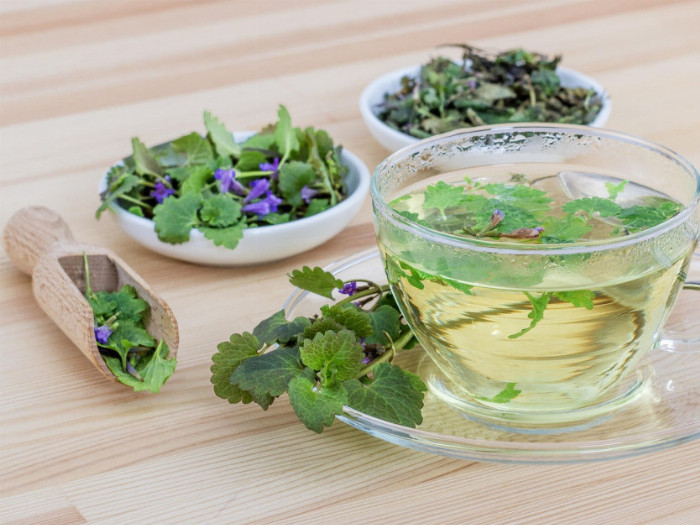
Traditional herbal remedies still work—lady’s mantle for hormonal balance, yarrow for gentler periods, lemon balm for better sleep.
Gentle Movement Instead of "Fitness Stress"
No need to run a marathon—cyclicality calls for movement that aligns with our phases:
- More intense exercise – Plan it for “spring” and “summer” (after your period up until ovulation).
- Gentle walks, yoga, or light stretching – Best for “autumn” and “winter” (before and during your period).
And Most Importantly – Pause and Listen
Sometimes, all it takes is closing your eyes for a few minutes, breathing deeply, and asking: “What phase am I in? What does my body truly need right now?”
This simple question can reconnect us with our inner compass.

Grandmother’s Wisdom for Today’s World
“In spring, rise with a smile. In autumn, curl up under a blanket.”
Our grandmothers honored nature’s rhythm. In spring and summer, they worked from dawn till dusk, but in autumn and winter, they slowed down. They sat by the fire, plucked feathers, cooked soups, and allowed their bodies to rest. What can we take from this?
- Don’t try to be at 100% all year round.
- Adjust your daily routine based on how you feel—not just on what your calendar dictates.
“When in doubt, have some soup and a cup of tea.”
Warm broths, porridge, ginger tea with honey or cinnamon—simple magic.
“For worries, silence is the best remedy.”
Our grandmothers knew that silence heals. You don’t always need to escape into Netflix or another task. Sometimes, just sitting in stillness for a few minutes can be enough.
A Simple Daily Ritual
In the morning, place a hand on your heart, take a deep breath, and ask: “What is my body telling me today?” Maybe it answers with a little pain, a craving for something nourishing, or just a quiet need for stillness.
Don’t Worry—Your Body Knows What to Do
Sometimes, it feels like we’re trapped in the demands of modern life. But our body remembers how to align with nature. Even small changes—an extra hour of sleep, a quiet moment with a warm cup of broth, or walking barefoot in the grass—can reconnect us with our rhythm.

A Small Challenge:
Choose one piece of grandmother’s wisdom and try to live by it for a week. Notice how your body and soul respond.

Calmory Author Team
We are a team of writers who believe in the power of stories and honest emotional sharing. We focus on topics related to mental health, personal growth, and everyday life as it is truly lived. We write with respect, openness, and humanity. Our texts come from personal experiences, from the heart, and from ordinary situations that we all go through.
Klid se dá naučit.
Začněte s Calmory ještě dnes.
Dostupné nyní pro iOS a Android

Naskenujte QR
a stáhněte si aplikaci