Bullying: When the Pain Isn’t Visible but Leaves Scars
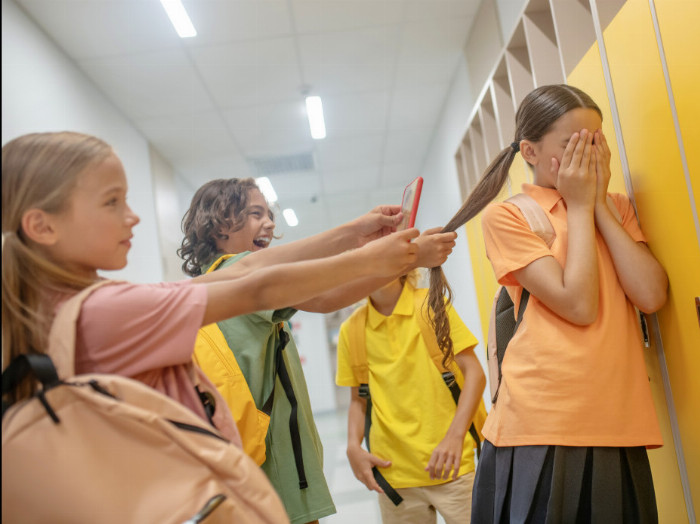
Bullying isn’t just a child’s play. It leaves deep wounds, even if they aren’t visible at first glance. And I know firsthand what it’s like to have to protect your own children. How do you recognize bullying? And why shouldn’t we be afraid to talk about it?
Personal Experience: When It Hits Your Own Family
When we moved to the north of the Czech Republic years ago, I had no idea how quickly the issue of bullying would affect us personally. My son was in the second grade at that time. One day, he came home pale, silent, and withdrawn.
It wasn't until later that evening, when I hugged him and patiently waited, that he finally opened up and told me what had happened.
Older classmates had stripped him naked in the schoolyard and played with his belongings. The helplessness and anger I felt as a mother were indescribable. In that moment, your world falls apart—you want to scream, break doors, and at the same time, hide your child from the entire world.
I remember sitting in the kitchen with my husband, silently looking into each other's eyes, knowing we had to do something immediately.
Meetings with teachers, the school psychologist, and the administration began. It was exhausting but necessary. We realized that if we didn’t intervene now, our child would carry this scar for life.
A few months later, my daughter went through something similar. As an excellent student, she was featured on the classroom’s honor board—and that was enough to make her a target for mockery and ridicule. “Teacher’s pet,” “Always in the spotlight,” they sneered.
It wasn’t easy, but this time we knew how quickly we needed to act. Once again, there were meetings with the school administration and conversations with the parents of those children. Some responded with understanding, others defensively. But gradually, the situation calmed down.
„Our children remained safe because we intervened in time.“
But every time I hear the word "bullying," that awful pressure in my chest comes back. I talk about it all because I know how fragile that sense of safety can be—and not everyone receives it at the right time!
Princess Julie
Like, unfortunately, Julie from Liberec. She was a girl who loved writing and art. She was different. And that was enough for her to become a target of ridicule and attacks. She had a mother who tried to intervene. Julie had a diary where she wrote down her feelings, a place where she poured out her emotions after being bullied by her classmates.
But even that wasn’t enough. Julie lost her battle. She left this world at just thirteen years old. And with her, a part of all of us was lost, too. In Liberec, her story sparked the "Princess Julie" initiative, a theater play, and an anti-bullying project. But no project will ever bring her back.
This story stays under my skin. Back then, it was Julie—next time, it could be your child or mine. That’s why we cannot overlook even the "small" taunts or seemingly innocent insults. We never truly know what children carry inside their hearts.
Why I’m Speaking Up
Because I know how easy it is for kids to stay silent. How often they feel ashamed, afraid, or simply “don’t want to cause trouble.” And yet, the pain they carry can be immense. Maybe you’ve seen it, too. A quiet child who suddenly doesn’t want to go to school. Lost belongings. A growing sense of withdrawal.
„Look around. Listen more than you speak.“
What I’ve Learned
- Bullying is not just “a normal scuffle” on the playground.
- The best defense is ensuring your child knows they are safe at home and can tell you anything.
- It’s okay to stand up against aggressors or institutional neglect—even if it means making unpopular decisions. As a parent, be firm when addressing bullying.
Children cannot protect themselves from bullying alone. It’s up to us, as parents. They rely on us—and if necessary, we must move mountains to help them.
For us, this was the beginning of a bigger conversation. About bullying. About how being different is not a weakness. And about how both adolescence and pain have their own stories—but more on that next time.
A Woman Who Writes About Life As It Really Is
Antonie is a woman who knows the power of human stories and isn’t afraid to write about them. She has gone through burnout, loneliness, and the search for a balance between caring for others and herself. She is a mother who shares custody of her children, a partner, a friend, and a woman who sometimes doesn’t know what comes next. But it is this authenticity that gives her the courage to address topics that others often hide behind smiles. She herself says that writing is her way of naming things aloud and perhaps helping others feel less alone. In Antonie’s writings, you will find honesty, perspective, and motivation that you can rise again, even from rock bottom. She believes in the power of friendship, love, and simple rituals that help manage everyday reality.
Klid se dá naučit.
Začněte s Calmory ještě dnes.
Dostupné nyní pro iOS a Android

Naskenujte QR
a stáhněte si aplikaci